Picnics Are More Fun Than You Think
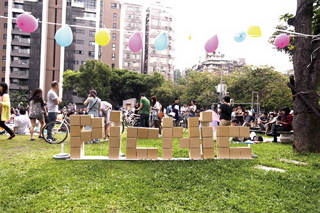
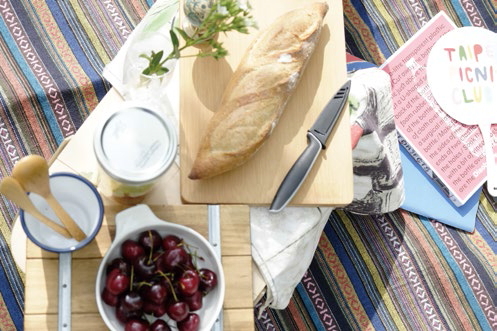
The Picnicking Story The term “picnic” originated from the French word pique-nique, which means eating small snacks by hand. Originally, picnics were not just limited to outdoor activities. Back in 1802, when the world’s first picnicking social club, The Picnic Club, was founded in London, picnics were a regular indoor social party, and participants had to prepare food and artistic performances for the occasion. Picnics have already been in vogue four times in human history. The first time was after the French Revolution in Paris and London. In post-revolutionary France, the royal gardens were opened to the public for the first time, and city residents clamored for the opportunity to go in and have picnics. Meanwhile, London was also influenced by the French Revolution, and get-togethers where young men and women would meet to discuss freedom and democracy became all the rage. This was especially significant in the conservative society of the day, in which it was taboo for members of the opposite sex to openly meet in public. Hence, the picnic became a type of legitimate social activity that enjoyed great popularity. Picnics became trendy for the second time during the industrial revolution. As pollution had a big impact on the urban environment, government bureaus responded by constructing a large number of parks as a compensation for the residents. On the weekends, picnics in the park became fashionable. The third wave of picnicking was kicked off in the early 20th century with the advent of the automobile revolution. Advertisers of the day began promoting driving to outdoor excursions as a means of boosting car sales. At the time, rather than trunks, cars only had narrow storage units. As a result, the dimensions of picnic baskets were made to match automobile designs. Moving ahead to the 21st century, the practice of picnicking is taking Asian cities by storm, with picnicking activities popping up everywhere, from the founding of the Tokyo Picnic Club in 2002 to the 2009 Picnicism movement in Taipei to the 2011 establishment of Lawnmap in Hong Kong. To analyze the reasons for this wave of enthusiasm for picnics, a major factor is that Asian cities are entering a post-industrial era. At the same time, urban spaces and residents are being freed up for leisure time on the weekends, giving rise to the fourth picnicking movement in history. Two centuries after the London Picnic Club’s founding, the Tokyo Picnic Club was founded in 2002, with a group of architects and landscape designers as its core. The group hoped to change Tokyo’s park environment through picnicking events and establish “picnicking rights” at the forefront of privileges enjoyed by urban residents. After numerous picnicking events and discussions, the Tokyo Picnic Club drew up a list of 15 rules for free and unrestrained picnicking: 1. Picnics are a social activity. Regard picnics as an informal opportunity for encounters. Picnic Items When making picnic preparations, there are actually no fixed requirements. You can freely enjoy yourself by just bringing a random newspaper mat or sitting directly in the grass. However, if you want to prepare meticulously and take beautiful pictures with your family and friends, you can consider the recommended preparations that follow. Picnic Mats It actually is not necessary to buy a picnic mat specifically for the occasion. Household items, such as bed sheets and curtains, can be used as picnic mats. However, if you want to buy one, you could select a mat which is easy to carry and made with waterproof materials. After all, Taipei is often rainy and the grass unavoidably gets wet. Picnic Basket and Miniature Table Any bamboo basket, rattan basket, or even shopping bag can be used as a picnic basket. As long as it has a big enough volume to carry everything, it will be fine. If you can find a type of basket that can also function as a miniature table that will be even better. But if not, there’s no need to fret. You can also bring a portable folding table or a cardboard box to make the meal more convenient. Wooden Cutting Boards and Environmentally Friendly Utensils A wooden cutting board is a fairly good utensil to bring on a picnic. Not only can it be used to display attractive foods, but you can also do some simple onsite food preparations, such as cutting bread and fruit. Furthermore, you should by all means bring your own utensils and avoid using disposable utensils. By cutting down on the amount of garbage, we can protect the environment. Customized Ornaments To set your picnic apart from the rest, a few ornaments can be used to express your individual character, such as your own handmade mini-flags or small items from your home. Leisure Entertainment Apart from eating and drinking, there is no harm in preparing some leisure entertainment, such as board games, poker and even books to enjoy with friends. You can also enjoy reading time by yourself in the grass. Essential Items Preparing Picnic Foods When preparing picnic foods, the most important principles are that the food is simple, easy to carry and not easily spoiled. If there is sufficient time, buying your own fresh and healthy ingredients and then cooking the picnic foods at home to be enjoyed with family and friends are the main joys of picnicking. However, if there is not enough time, you can also get takeout picnic hampers. There are a number of restaurants that offer these readymade picnics for advance order. Just pick up the basket and go!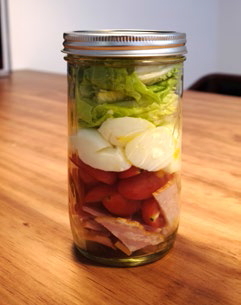 The Taipei Picnic Club began the Picnicism movement in Taipei in 2009 in order to promote a wave of picnicking in Taiwan. With “make the city our playground” as its goal, the club has been discovering interesting spaces and activities in Taipei.
 The Dos and Don’ts of Picnic Preparations
2. Make the most of the weather. A stuffy day is the chance for a night picnic with a fresh breeze. A freezing day is good for a midday picnic. Find the right time and right place for your own picnic.
3. Every day is a picnic day.
4. No uniformity should be sought in picnics. They are frank gatherings to share the day.
5. There are no hosts and guests at picnics. In principle, everybody should offer food and drink equally.
6. No labor should be imposed on participants.
7. Food can be simple, but should never be too easy.
8. No cooking during picnics (but hot water can be prepared in advance for making tea).
9. Bring your own utensils because picnics are an expression of your lifestyle preferences.
10. The picnic mat is a symbol of the picnic. Do not sit or step on it but surround it.
11. Accidents are a part of picnics. Happenings such as a sudden storm, falling into a pond or a bird carrying off your meal are not good reasons for being upset.
12. Just a few people are enough to have a picnic. There is no need to force people to stay.
13. Do not leave your rubbish behind.
14. Picnicking is not camping. Discord or love cannot be reasons to stay.
15. Entertainment comes in many forms. Even rains can be a type of good fortune.
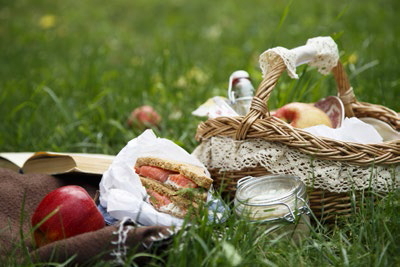
‧ Garbage bags (Littering is unacceptable social behavior)
‧ Toilet paper/wipes (If toilets or running water are not convenient, these things are extremely useful)
‧ Insect repellent (A comfortable picnic is extremely important)
‧ Sunscreen/small fan (Whatever you do, do not get sunburned)